
Dr. Richard Sutton, Professor of Medicine (Infectious Diseases) and of Microbial Pathogenesis
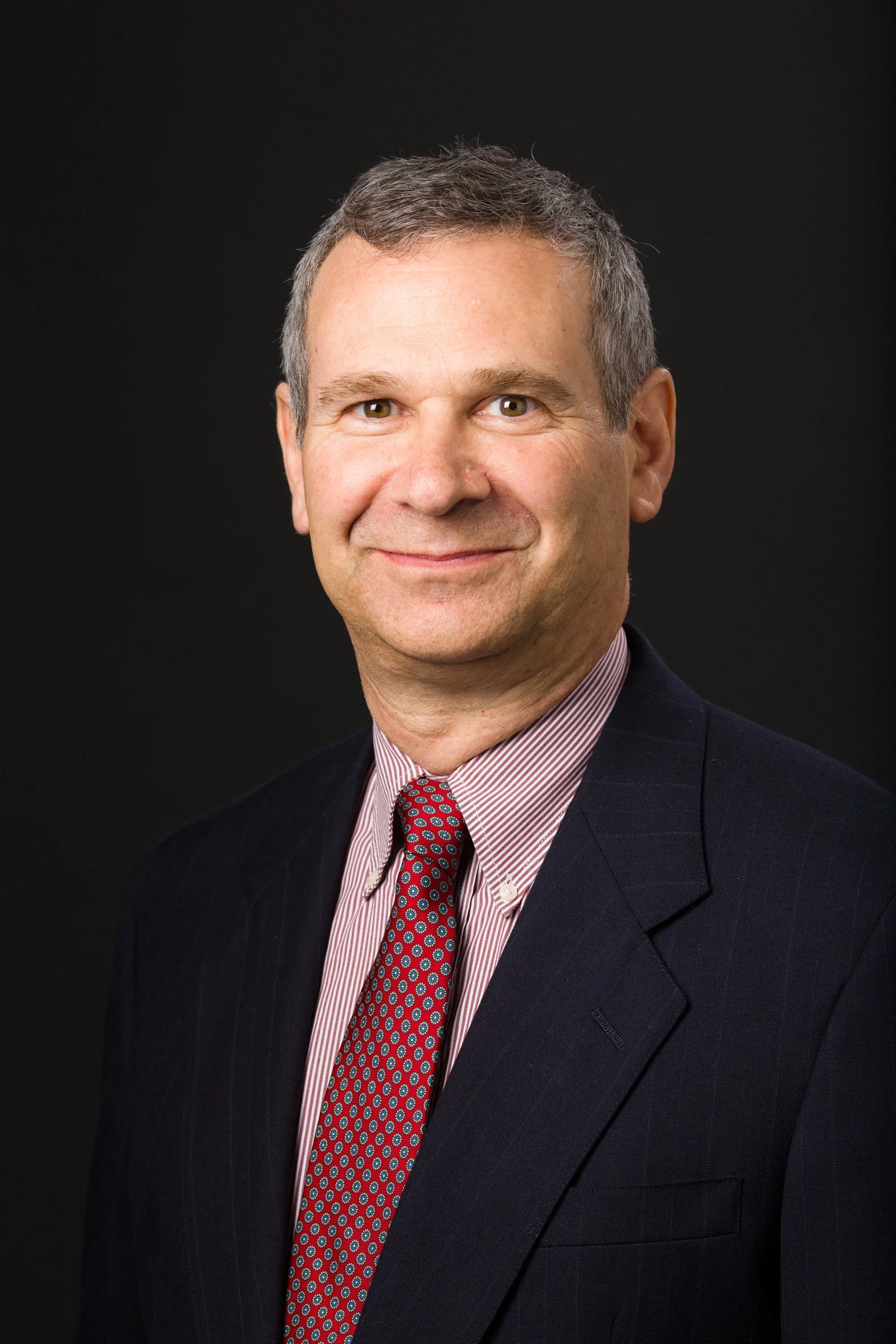
Resilience and Discovery: The Inspiring Journey of Dr. Richard Sutton
Written by Marcus Lee
Edited by Valentina Zhang
Few physician-scientists have charted a journey as richly interdisciplinary and as impactful as Dr. Richard Sutton. A gentle mentor with a compassionate heart and unbreakable resolve, he transitions seamlessly between uncovering molecular mechanisms at the lab and treating patients at Yale and the West Haven VA. After completing his undergraduate studies at Brown University, Dr. Sutton pursued a joint MD/PhD at Stanford University. There, captivated by John Boothroyd’s work on African sleeping sickness, he pursued a PhD in Boothroyd’s lab, investigating novel trans-splicing mechanisms by which parasites evade the immune system.
Returning to patient care, Dr. Sutton completed an internal medicine residency at the University of Pennsylvania, while simultaneously collaborating with the Worcester–Lewistar Institute on mouse-knockout models of infectious diseases. During this period, he decided to specialize in infectious diseases and secured a fellowship in UCSF’s Division of Infectious Diseases, working with Harold Varmus. In Varmus’s lab, he cloned the HTLV-1 oncogene for Pfizer — illuminating its role in lymphoma — and went on to identify CD4 as the human immunodeficiency virus’s (HIV) primary entry receptor, a discovery that remains central to how clinicians track patient T-cell counts. After this, Dr. Sutton narrowed his research focus to HIV.
In 2008, when Yale opened a joint appointment in medicine and microbial genetics, Dr. Sutton seized the opportunity to start his own lab. Today, his team focuses on chemokine receptor transcriptional and post-transcriptional control as well as novel antivirals targeting HIV’s regulatory proteins and its capsid. When asked which developments in infectious disease research excite him most, Dr. Sutton highlighted capsid inhibitors. He cites the success of lenacapavir – an injectable capsid-targeting drug that has vaccine-like efficacy against HIV. Utilizing automated screening platforms, his lab has already uncovered several other small-molecule candidates that disrupt capsid assembly and stall viral replication.
Beyond the lab and the clinic, Dr. Sutton’s story is one of unyielding courage and resilience. In April 2022, his life was upended when a catastrophic bicycle collision rendered him clinically dead, leaving him with severe fractures throughout his body. After more than fifteen surgeries and two months in a coma, Dr. Sutton waged a battle for survival. He recalls the dark months as being in a “blank state”, waking in a hospital bed with no memory of the ordeal - yet he insists that it has not dimmed his scientific zeal. Even in the midst of his recovery, Dr. Sutton remained fiercely committed to his work - fielding data presentations from his bed and personally corresponding with the NIH to protect his grants from automatic expiration. By June 2023, Dr. Sutton was back on the wards, seeing patients and mentoring students in his lab with the same steadfast passion that has defined his career.