
Dr. Barbara Banz, Assistant Professor of Emergency Medicine
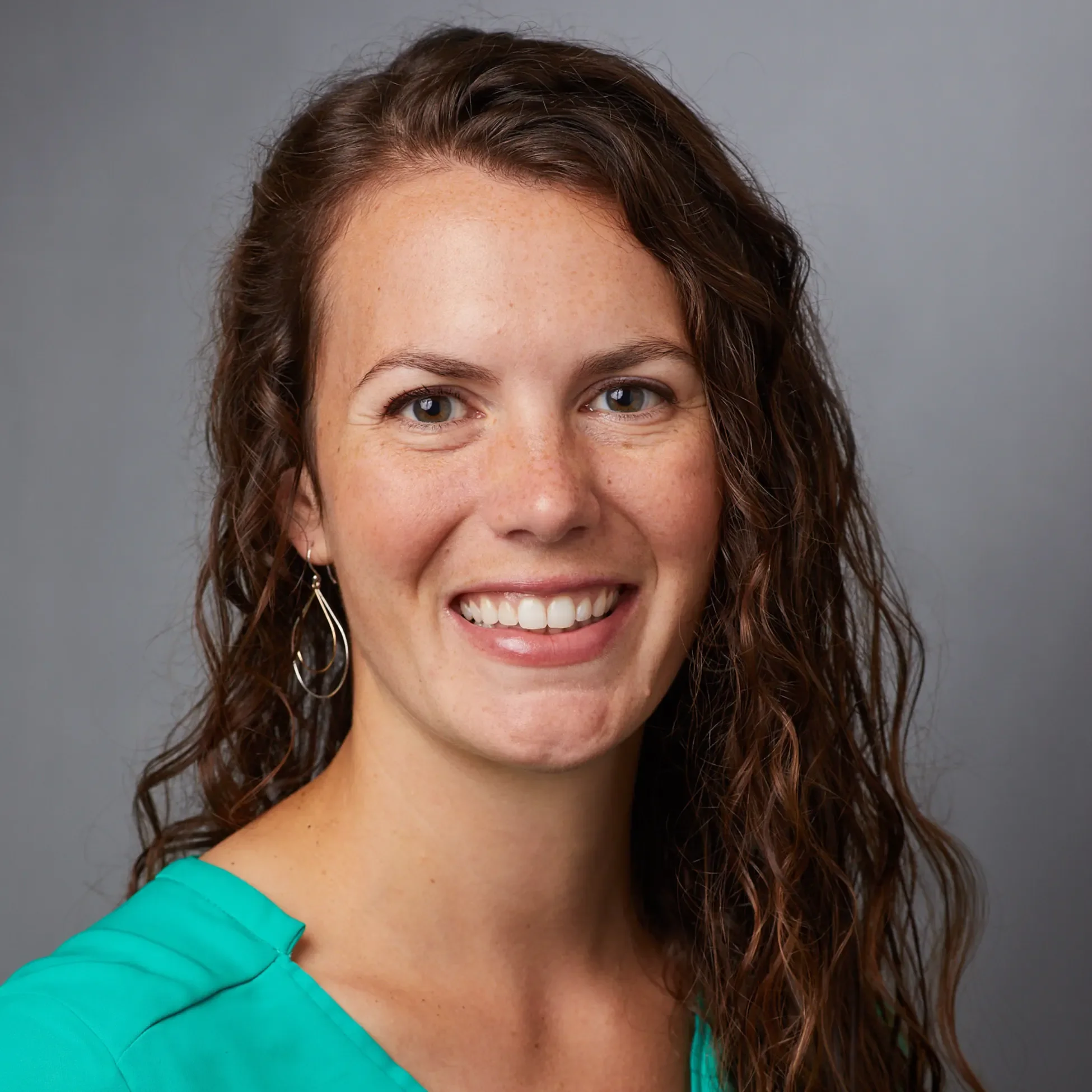
From Science Labs to Rock Walls
Written by Kelly Wu
Edited by Valentina Zhang
Dr. Banz has been researching adolescent driver safety at Yale for years —11 to be exact. While she has always been fascinated by science, her path to Yale has been anything but predictable. Born in New Jersey and raised in the rural outskirts of Pennsylvania, she grew up surrounded by car crash headlines and dangerous roads. Yet, that did not initially draw her to traffic safety. She originally wanted to become an orthopedic surgeon, inspired in part by her participation in soccer and track.
It was during sophomore year of college at Shippensburg University, sitting in a behavioral science class, that something sparked inside of her. She developed a deep curiosity about the brain, which led her to pursue a double major in biology and psychology and eventually a PhD in cognitive neuroscience. Now, she leads a lab focused on adolescent driver safety.
Her lab tackles one of the leading causes of teen mortality: motor vehicle crashes. From peer influence to substance use, her research dives into the full picture of what happens in the brain and behind the wheel. Drawing on her background in studying addiction, she uses driving simulations to explore the effects that alcohol and drug use have on adolescent functioning. Her work, which focuses on messaging and preventative strategies that can save lives, carries powerful implications for improving public health.
Banz’s road to research was not linear. After earning her PhD with a dissertation on college-aged binge drinking, she came to Yale for a postdoctoral fellowship in neuroscience. Over time, she realized she missed the human side of science, and pivoted to join an emergency medicine lab. The work she did in the lab was fast-paced, requiring her to constantly stay on her toes. “There is always something new to learn, and you’re always adapting,” she explained. “You answer one question, and that answer only leads to more questions.”
Her advice? “Take it step by step. Always think about the big picture. Make sure you do something every day that brings you balance, whether that is working out or simply going for a walk.”
In her case, that “something” ranges from creative to active outlets. Banz is extremely artistic, excelling in woodworking and pottery. A painting she created in middle school, once a finalist for permanent display at her school, still hangs above her bed. She played ultimate frisbee competitively in college and discovered a new passion for rock climbing during COVID. She also keeps a pet hermit crab, named Batty, after the fruit bat from FernGully.
As a mentor, Banz lights up when she sees students experience what she calls the “lightbulb moment” — the moment they decide to ask a question. “You can be good at running analyses or writing methods, but it is that passion that makes all the difference,” she states. She encourages new students to reach out to faculty and stay open to research even if they are considering a career outside of academia. “Learning how to simplify high-level ideas to a diverse audience — that is a soft skill you will use in every career. The skills people gain by working in labs overlap more than people realize.”
If she could go back and tell her younger self one thing, it would be this: “Take yourself a little less seriously. You will still reach your goals — give yourself some grace along the way.” Dr. Banz’s journey is a powerful reminder that paths are not always predictable, and that is okay. Most of us do not have it all figured out, but with a little patience and grace, we will find our way.