
Dr. Sandy Chang, Professor of Laboratory Medicine, Pathology, and Molecular Biophysics and Biochemistry
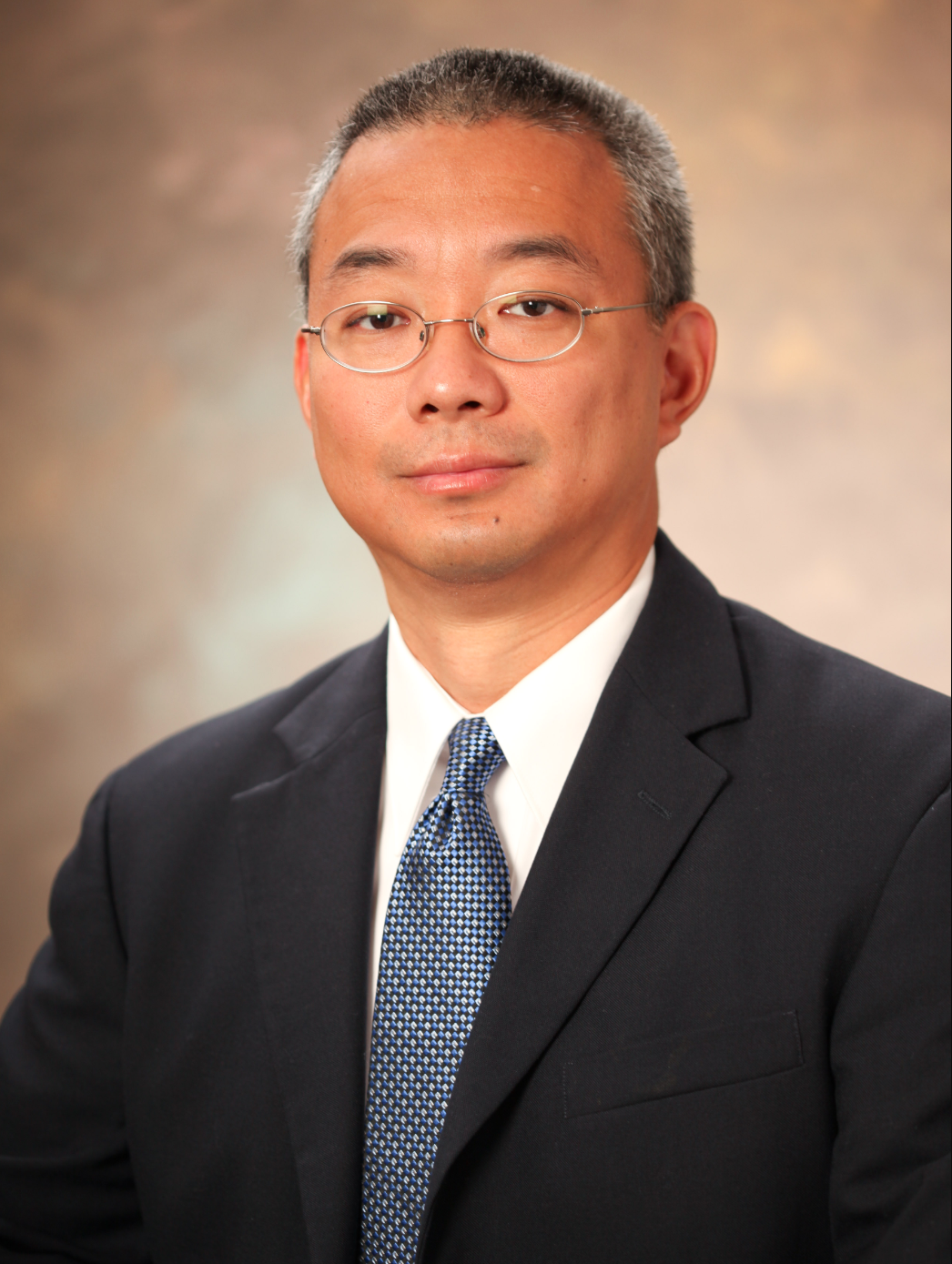
From Teaching to Telomeres: Dr. Sandy Chang’s Exciting Career
Written by Emily Chang
Edited by Charlie Wong
From a young age, Dr. Sandy Chang always knew he had a love for science. Initially fascinated by astronomy, his interests evolved during high school when he discovered a love for molecular biology. Upon entering Yale, he chose to major in Biochemistry and Biophysics—a unique major not widely available at other universities at the time—while pursuing astronomy as a personal hobby. During his first year at Yale, a conversation with his froco (First-Year Counselor) introduced him to the concept of an MD-PhD, a dual degree program combining medical training (MD) with research training (PhD), and the rest was history.
Today, Dr. Chang leads an exciting life both in and out of the lab as a physician scientist. When he’s not treating patients in the clinic, he spends his time answering emails, conducting lab and departmental meetings, writing grants, and mentoring young scientists. Outside of the lab, he spends his time interviewing prospective students for Yale’s MD-PhD admissions team and teaching three undergraduate classes. While each day brings new challenges and surprises, he finds the favorite part of his day engaging with people, students, and postdoctoral fellows. He is continually inspired by his students’ resilience and ability to tackle complex experiments that he believes to be hard and daunting to conduct. Dr. Chang emphasizes the importance of trust in mentorship, noting that his students often surprise him through their hard work and amazing effort.
Within his lab, Chang studies telomeres, structures on the ends of eukaryotic chromosomes that protect the ends from being mistakenly identified as DNA damage. He specifically studies the shelterin complex, a group of six proteins that mediate end protection and facilitate telomerase recruitment. In particular, his research centers around TRF2, a protein that binds to the telomere region and inhibits DNA damage response. His lab utilizes mouse knockout models, biochemistry, and cell biology to understand the functions of these proteins in normal telomere maintenance and the consequences of shelterin protein mutations to elucidate the mechanisms underlying telomere maintenance.
For students considering graduate school, Dr. Chang recommends getting hands-on research experience early to determine if a career in research is the right fit and to understand the discipline necessary to succeed in research. He also stresses the value of a gap year before applying to medical school or graduate school as it is a way to destress and broaden personal and professional perspectives before heading into another few years of rigorous education. He recommends doing anything that is meaningful to personal growth and will make you more relaxed and well-rounded, whether that be interning at a company or even traveling the world!